Knowledge Hub
Home » Knowledge Hub
Energy Transition
The Energy Transition is a Grid and Systems Challenge
The transition to a lower-carbon energy system involves far more than replacing conventional generation with wind and solar.
Across the UK and Europe, it requires the coordinated development of generation, transmission, interconnectors, energy storage, digital control systems and increasingly complex patterns of electricity demand.
For the transition to succeed, the power system must become more resilient, flexible and responsive. New generation must be connected where and when it is needed, electricity must be transferred efficiently between regions and countries, and system operators must be able to balance supply and demand under rapidly changing conditions.
Key Drivers Shaping the UK and European Energy Market
Large-scale renewable integration
The continued growth of offshore and onshore wind, solar generation and other variable energy sources is increasing the need for stronger transmission networks, energy storage, system balancing and long-distance power transfer.Electrification of transport, heating and industry
Electric vehicles, heat pumps, data centres and the decarbonisation of industrial processes are changing demand patterns and increasing peak loads in locations where existing networks may already be constrained.Growth in interconnection and cross-border electricity trading
HVDC interconnectors enable electricity to be exchanged between national markets, improve security of supply and help regions benefit from differences in generation availability, demand and market pricing.Decentralised generation and digital network operation
Distributed energy resources, battery storage and flexible demand require better forecasting, faster control and increased coordination between transmission and distribution networks.The need for greater system flexibility
Grid-scale storage, demand-side response, reactive power support, and advanced control systems are becoming increasingly important as conventional sources of network stability decline.
Why Energy-Transition Projects Face Delivery Risk
Energy projects do not succeed through generation capacity alone. Their commercial and operational viability is increasingly dependent on the availability, readiness and controllability of the surrounding network.
Delayed or unavailable grid connections can prevent otherwise completed generation and storage projects from being commissioned or operating at their intended capacity.
Transmission constraints and network congestion can result in renewable curtailment, restricted output and reduced certainty over future project revenues.
Insufficiently coordinated development programmes can create misalignment between generation, converter stations, substations, cable systems, civil works and wider network reinforcement.
Complex planning, consenting and regulatory requirements can extend delivery timescales, increase development costs and create uncertainty for investors, developers and supply-chain partners.
Limited design maturity and poorly managed interfaces can lead to late changes, programme delays, commercial disputes, and additional construction or commissioning risk.
Shortages in specialist skills, equipment and manufacturing capacity can affect the timely delivery of cables, transformers, converter systems, switchgear and other critical infrastructure.
Inadequate project controls and governance can allow technical, commercial and programme risks to escalate before they receive the appropriate level of executive attention.
Supporting More Certain Project Outcomes
GridEPC Consult provides independent project, commercial and delivery support across HVDC, interconnector and major EPC infrastructure programmes.
We help clients identify risk early, improve delivery readiness, strengthen project governance and manage the complex interfaces between design, procurement, construction, commissioning and network connection.
We focus on turning strategic energy ambitions into practical, controlled, deliverable projects.
Global HVDC Project Process & Timeline
Understanding the Global HVDC Project Lifecycle
HVDC projects are highly complex, capital-intensive programmes that often span six to ten years, from early concept and feasibility through development, design, procurement, construction, testing, and final commissioning.
Their successful delivery depends on the close coordination of numerous technical, commercial and regulatory workstreams. These may include converter stations, subsea and underground cable systems, landfall infrastructure, substations, grid connections, civil works, buildings, protection and control systems, environmental approvals, planning consents and extensive stakeholder interfaces.
Long manufacturing lead times, specialist supply chains, evolving design requirements and the need to integrate equipment from multiple international suppliers can create significant programme and commercial exposure. Risks may also arise from incomplete scope definition, delayed consents, interface gaps, procurement constraints, construction access, testing dependencies and the readiness of the wider transmission network.
Effective governance, early risk identification and disciplined control of design, contracts, interfaces, cost and programme are therefore essential. Independent project challenge can help sponsors, developers, contractors and investors identify emerging issues before they become costly delays, disputes or commissioning failures.
Future of HVDC Technology & Global Super Grids
The Next Frontier of Energy Transmission
HVDC at the Centre of a More Connected Energy System
As the UK and Europe accelerate the transition to lower-carbon electricity systems, HVDC is becoming increasingly important for efficiently transferring large volumes of power over long distances. It supports cross-border interconnection, the connection of remote offshore generation and the reinforcement of transmission networks where conventional solutions may be technically constrained or less efficient.
Advances in voltage source converter technology, grid-forming capability, protection and control systems, cable design, and offshore transmission continue to expand the role HVDC can play. However, these developments also create new challenges relating to technology maturity, system integration, interoperability, supply-chain capacity, contracting strategy and long-term operational performance.
GridEPC Consult helps clients assess these challenges from a project, commercial and delivery perspective, supporting better-informed decisions throughout the development and implementation of major transmission programmes.
Areas of Review and Support
Technology-readiness and implementation assessments
Project feasibility, cost-benefit and delivery-option reviews
Programme, procurement and contracting strategy
Regulatory, consenting and market-readiness considerations
OEM, EPC contractor and supply-chain capability assessment
Risk benchmarking across comparable HVDC and transmission projects
Independent review of delivery plans, interfaces and governance arrangements
Key Market Themes
A More Interconnected UK and European Power System
The continued development of interconnectors and coordinated transmission corridors can support security of supply, improve access to renewable generation and enable electricity to move between markets in response to changing demand and generation conditions.
HVDC provides the controllability and transmission capacity required for many of these long-distance and cross-border connections. Successful programmes nevertheless depend on close alignment between national grid strategies, regulatory regimes, system operators, developers, technology providers and construction partners.
The Development of a European Supergrid
The concept of a more integrated European transmission system is becoming increasingly relevant as countries seek to connect offshore wind resources, strengthen regional energy security and improve the flexibility of their electricity networks.
For the UK, this creates opportunities for additional interconnection, offshore transmission hubs and coordinated links between generation zones and major demand centres. Delivering these ambitions will require clear commercial frameworks, compatible technical standards, effective cross-border governance and carefully managed programme interfaces.
Offshore Wind and HVDC Expansion
HVDC is increasingly preferred for high-capacity offshore wind connections where generation is located significant distances from the onshore transmission network. Voltage source converter technology can provide controllable power transfer, reactive-power support and additional grid-support functions while enabling the future development of more integrated offshore transmission arrangements.
The move towards larger offshore wind zones and potential multi-terminal networks will require greater coordination between developers, transmission owners, system operators, cable suppliers, converter manufacturers and marine contractors. Early decisions on architecture, technology selection, interfaces, and contracting models can have a lasting effect on cost, programme, and operational flexibility.
Technology and Grid-Forming Capability
Modern converter systems are expected to provide an increasing range of functions beyond transferring electrical power. These may include voltage support, frequency response, black-start capability and grid-forming operation in systems with lower levels of conventional synchronous generation.
These capabilities offer considerable potential, but their implementation requires rigorous system studies, clear functional requirements, appropriate testing and effective coordination between OEMs and network operators. Technology expectations must be realistic, contractually defined and supported by evidence of maturity.
Changing OEM and EPC Market Dynamics
Demand for HVDC converter systems, high-voltage cables, transformers, switchgear and specialist installation capability is placing pressure on a relatively concentrated international supply chain.
Competition for manufacturing capacity can affect:
equipment availability;
tender pricing;
procurement lead times;
allocation of project risk;
contractor appetite;
access to specialist personnel; and
testing and commissioning resources.
Clients must therefore consider supply-chain engagement, procurement timing and contractual strategy much earlier in the project lifecycle. Lowest initial price should not be viewed in isolation from technology maturity, manufacturing capacity, interface responsibility, delivery confidence and whole-life value.
From Strategic Opportunity to Deliverable Programme
The strategic case for HVDC and increased interconnection may be strong, but successful delivery depends on more than selecting the correct technology.
Projects require effective integration of:
converter stations and associated buildings;
subsea and underground cable systems;
landfalls and cable routes;
substations and wider network reinforcements;
civil, structural and M&E works;
Earthing studies, design and implementation
Radio frequency Interference & EMC designs and implementation
protection, control and telecommunications systems;
planning, environmental and land requirements;
procurement and manufacturing programmes; and
testing, commissioning, energisation and operational-readiness activities for commercial operation.
GridEPC Consult provides independent project challenge and practical delivery support to help clients convert strategic transmission objectives into controlled, commercially sound and executable programmes.
Thought Leadership
HVDC, Energy & EPC Sector Outlook

How technology evolution and market dynamics are redefining the global energy landscape.
Lessons learnt from real-world experiences
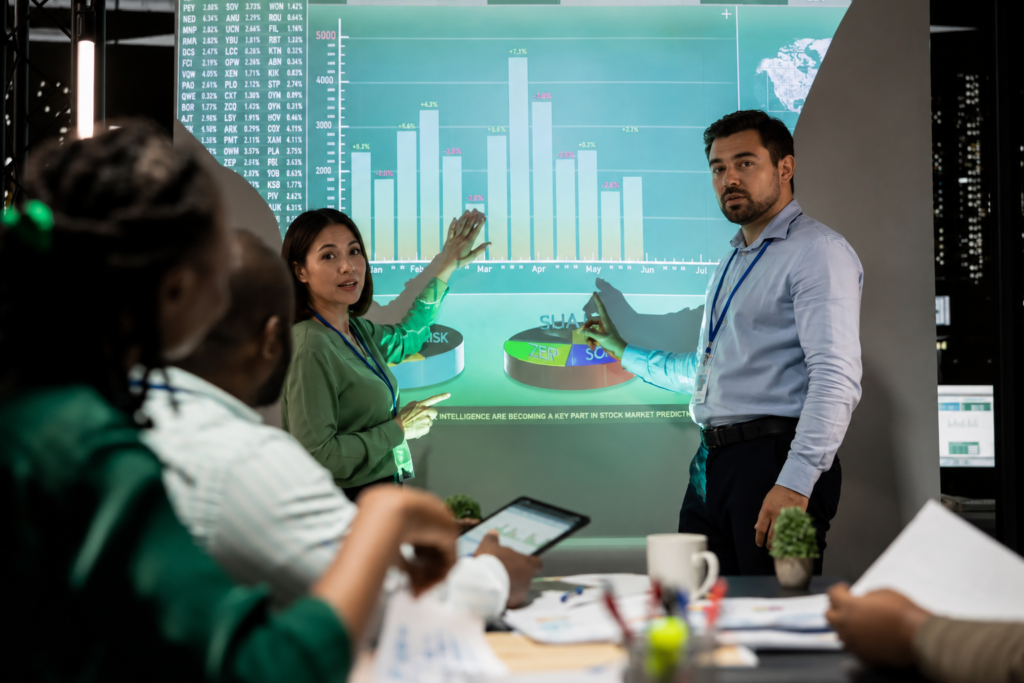
Practical lessons learnt from diagnosing root causes, transforming delayed & loss-making projects, and re-aligning operations.
Leadership & Organisational Performance

Building leadership capability and organisational alignment for sustained growth.
Global Expansion Strategy
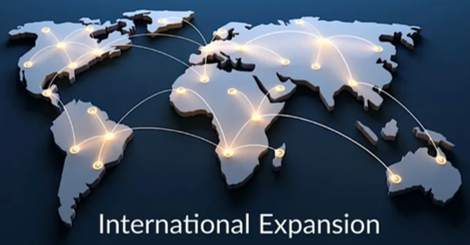
Frameworks for suppliers and contractors entering new markets and scaling global go-to-market execution.
SME & Corporate Transformation Insights

Operational and strategic insights for SMEs navigating transformation, digitalisation and scale.
Placeholder listing — these are not real published articles yet. Add your own posts, or wire this page to a real WordPress post loop later.